Collaborative research:アーカイブ
2024年03月28日
The Noto Peninsula earthquake that occurred on January 1, 2024, caused extensive damage over a wide area, isolating many communities due to landslides that disrupted roads. Additionally, essential lifelines such as water and electricity were interrupted in numerous regions. Particularly in municipalities in the Oku-Noto area and Nanao City, prolonged water supply disruptions have been experienced, with many areas still without water nearly three months after the earthquake.
Amidst this ongoing situation, research associate Koyama has begun an investigation into the use of water sources within the community, including wells and springs.
Through interviews with local residents and on-site surveys, there are plans to explore ways to utilize water for building a resilient community in the face of disasters.
2023年12月16日
Kanazawa City has been recognized this year as a model city for urban ecosystem restoration in the “Generation Restoration Project,” which is part of the UN Decade on Ecosystem Restoration resolved at the UN General Assembly in March 2019. This project aims to implement a package of measures to address the political, technical, and financial challenges to promote ecosystem restoration in urban areas within the framework of the “UN Decade on Ecosystem Restoration and the Global Biodiversity Framework” (in particular, Target 12).
At the core of the project will be 8 pilot cities and 11 model cities selected through a September 2023 selection process. These cities will support each other, particularly the pilot cities, in scaling up the implementation of Nature-Based Solutions (NbS).
From December 13 to 15, 2023, representatives, sponsors, and experts from the pilot and model cities gathered in Paris, France, for a three-day kick-off meeting and workshop. They shared successful examples and project plans from their respective cities, engaging in discussions that included expert input. Yoko Tomita (Programme Coordinator, UNU-IAS OUIK), represented Kanazawa City and shared examples of urban nature conservation and restoration efforts in the city. She particularly focused on biodiversity initiatives that leverage historical and cultural landscapes, such as irrigation systems and Japanese gardens, as well as responsible tourism strategies implemented as part of the SDG Future Cities initiative. Participants provided feedback emphasizing that “the protection of the landscape through the preservation or restoration of cultural heritage, along with the concurrent protection of urban nature and biodiversity, is unique and reflects the cultural identity of the region.”
Toronto and Seattle, also model cities, introduced their conservation efforts regarding urban and suburban forests, alongside volunteer initiatives.
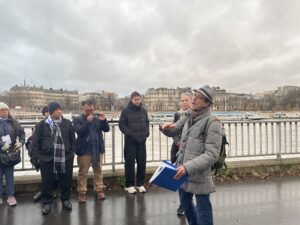

The workshop included a guided tour of Paris led by a city official. The tour featured the Jardins de l’Archipel des Berges de Seine Niki de Saint-Phalle, a small park created by connecting five moored barges along the Seine River, as well as community gardens, pedestrianized streets near schools, and areas adorned with flowerbeds and trees. The official noted, “Until a few years ago, there were only three types of fish in the Seine River, but now there are dozens of species. Along with this, the number of bird species living in Paris has also increased. One of the reasons for the success of the project was the subsidies provided to farmers in the upstream areas to promote organic farming without the use of pesticides, ultimately improving the river’s environment.”
2022年12月06日
One of the key purposes of travel is “food.”
Ishikawa Prefecture is home to an abundance of ingredients nurtured by its rich natural resources from both the sea and land. The Kaga region has developed a unique culinary culture that evolved during the Edo period, influenced by both samurai and commoners, while the Noto region has its own distinctive food culture shaped by its harsh natural environment and vibrant festival traditions. Many domestic and international travelers visit Ishikawa specifically to enjoy this delightful “food.”
However, alongside this appealing culinary heritage, there are numerous challenges such as the preservation of these traditions, a lack of successors among producers, and food waste. In the third installment of this seminar, we learned about efforts and challenges to achieve more sustainable tourism through discussions with chefs and culinary researchers, all centered around the theme of food.
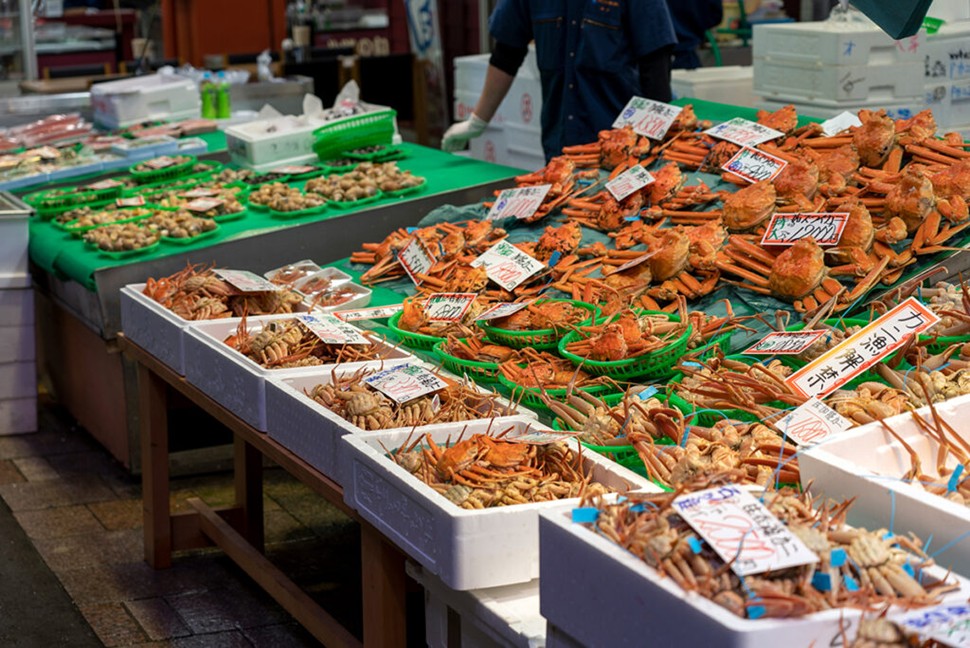
An everyday food issue that impacts the entire planet
To begin, Yuya Tsuda, a researcher at OUIK, introduced the topic ” Food Tourism and the SDGs”. He presented examples of domestic and international tourism related to food. It was noted that “Japanese cuisine” is registered as a UNESCO Intangible Cultural Heritage and that it is said to contribute to the UN’s Sustainable Development Goals, specifically Goals 2, 4, and 12.
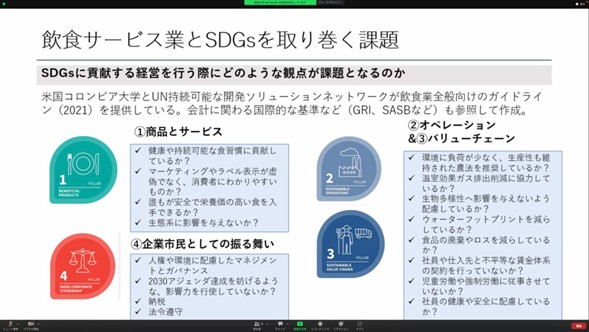
Next, Sayako Koyama, a researcher at OUIK, gave a lecture titled “The Connection Between Food and the SDGs & Introduction to OUIK’s Initiatives.” She presented several critical issues: more than 60% of food in Japan is dependent on imports, 6.46 million tons of food are wasted annually, the sustainable fish stock is continuously decreasing due to overfishing, and the increasing deforestation of tropical rainforests to produce palm oil—an ingredient used in many food products—is leading to a loss of rich biodiversity in other countries. These points emphasized the close connection between food issues and our daily lives.
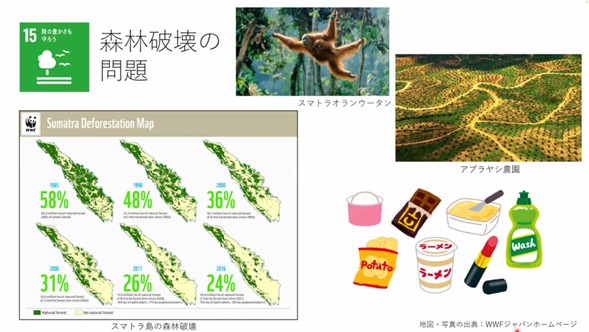
On the other hand, it was mentioned that Ishikawa Prefecture has many positive aspects that can contribute to the SDGs. An example of this is the world agricultural heritage known as “Noto’s Satoyama Satoumi.” In Noto, there is a tradition of producing food locally and effectively utilizing that food, which is closely related to the SDGs. The richness of both land and sea not only helps to reduce carbon dioxide emissions by minimizing the transportation of ingredients from far away but also contributes to climate change mitigation. We must also not forget the existence of traditional wisdom that allows for the long-term preservation of harvested goods, such as through fermentation, without the use of electricity, thereby reducing waste.
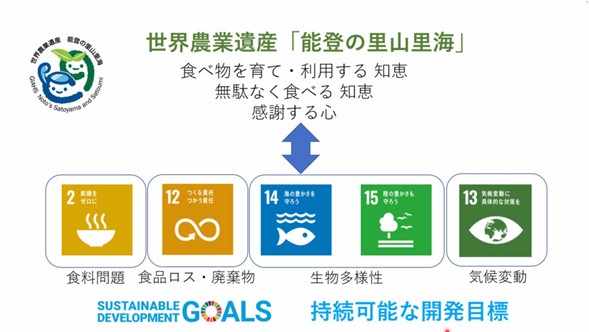
The wisdom of growing and utilizing food, eating without waste, and having a heart of gratitude is essential knowledge for addressing various global challenges. Koyama emphasized that it is very important to pass these teachings on to the next generation of children and to share them with the world.
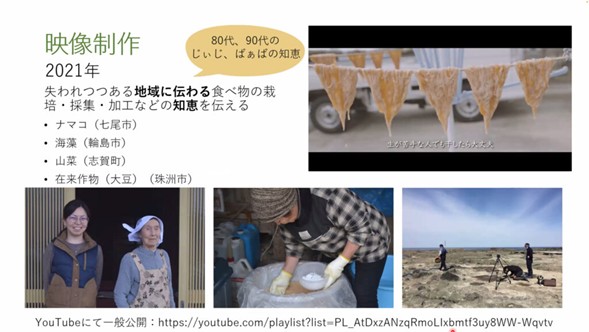
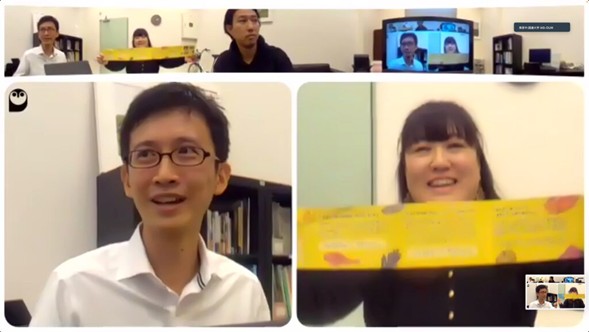
As part of the initiatives by the UNU-IAS OUIK, we have created a video and a picture book titled “Let’s Make a Harvest Feast!” to convey the richness of agriculture, nature, and culture in Noto to children. Additionally, many individuals who know the traditional knowledge are the elderly, so we believe we can contribute to the preservation of local knowledge by documenting it in videos and sharing them on YouTube. Please here to watch them.
Guest speakers presented their individual case studies
Naoko Taniguchi, a director at Kohaku Co., Ltd., is a culinary researcher and food coordinator who is actively engaged in sharing Kanazawa’s culture and regional food heritage through experiential cooking programs for inbound visitors. She collaborates with university students on initiatives to preserve and promote local culinary traditions. Additionally, she has a close relationship with Omicho Market, where she implements food education programs like the “Parent-Child Omicho Experience.” She also manages the gourmet e-commerce site “Ichiba no Hako,” which features local delicacies, working alongside market vendors to encourage more people to visit Kanazawa.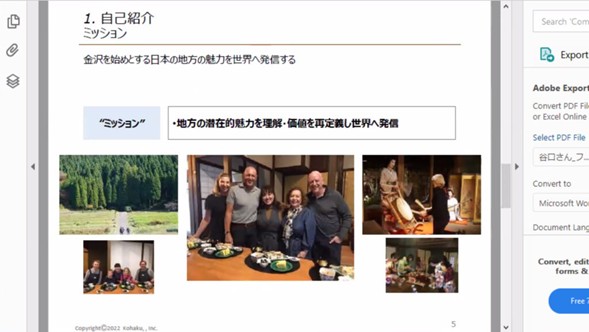
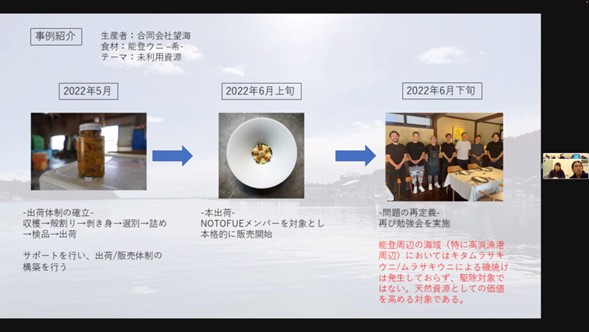
In the 2021 Michelin Guide for Hokuriku, Chef Umetaro from “respiración” in Kanazawa received two stars and a Green Star, highlighting the richness of regional ingredients. He shared some pressing issues, such as overfishing, the aging of local farmers, and a lack of successors, which has led to a decline in the care for the satoyama and its ecosystems. He pointed out that without successors, not only does food production diminish, but the traditional skills passed down through generations are also lost, along with the culture of the area. Reflecting on the question, “What can chefs do?” he partnered with like-minded chefs in Ishikawa Prefecture to establish the general incorporated association NOTOFUE. Their initiatives include utilizing underused fish, such as types of sea urchin previously targeted for culling, and working to connect the environment and resources of Noto’s satoyama and satoumi to future generations.
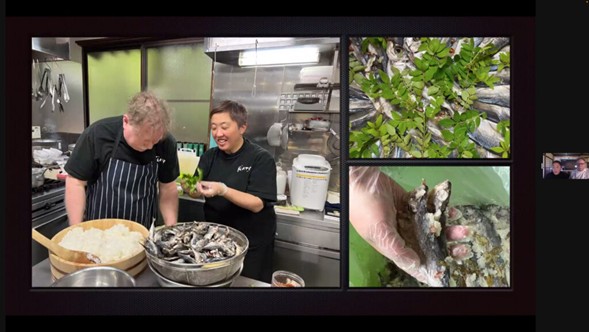
Benjamin Flatt, the owner-chef of “Noto Italian and Fermented Food Inn Furatto,” and his wife, Tomoko Funashita, shared some insights into the food culture of Noto. They explained that the practice of fermenting fish has existed for over a thousand years, with fermentation and aging occurring naturally without any temperature or humidity control. They described it as “fermentation being an incredible bundle of wisdom,” noting that the food often tastes even better than when it was initially marinated.
They also highlighted the unique use of rice bran, a byproduct of rice, which is rare in other parts of the world. This method not only enhances the flavor but also increases the nutritional value, making it an all-around beneficial practice. They believe that by incorporating such fermented foods into the next generation’s diet, they can contribute to the sustainability of Noto.
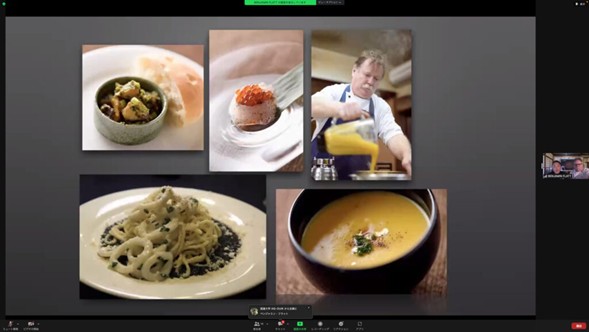
Additionally, he mentioned the reasons why fermented foods are still prevalent in Noto. First, the region boasts an abundance of seafood. Second, due to limited transportation development, Noto had to rely on local production and consumption. Third, the climate, with its hot summers and cold winters, allows for the repetition of fermentation and aging processes. Fourth, the local food culture is closely intertwined with traditions and festivals, resulting in the preservation of culinary practices alongside the culture. He stated that in order to pass on the food culture to the next generation, it is essential to promote sustainable tourism that is aligned with the current conditions of the region. However, a significant challenge lies in how to enhance the recognition of the value of the culture and traditions held by the local residents who welcome visitors.
The challenges related to food and tourism were discussed In the panel session
Next, the four guest speakers and Researcher Tsuda began a discussion that explored further the earlier examples.
Ms. Taniguchi focused on Omicho Market, which has seen an increase in both domestic and international visitors, analyzing it from the perspective of the SDGs. This market, with a history of 300 years, provides a clear insight into food culture. Visitors can engage with knowledgeable vendors and experience the changing seasons through fresh seasonal ingredients, making it a unique place where both locals and tourists can purchase the same items as professional chefs. However, Mr. Taniguchi noted some challenges facing Omicho Market, particularly the lack of successors to continue the tradition. Additionally, many fresh fish shops close on Wednesdays, leading to an increase in items that need to be discarded on Tuesdays. To tackle this issue, Ms. Taniguchi is working to sell these products through e-commerce platforms to reduce waste.
She also mentioned a lesser-known initiative in Kanazawa City that collects leftover fish from Omicho Market and processes it into fertilizer. This fertilizer is then used to grow vegetables, creating a sustainable cycle that she hopes more people will learn about. To raise awareness of how this market operates in a circular manner, she has launched the “Ichiba Basket Project.”
Mr. Flatt talked about the differences in values between Noto and his home country, Australia. Ms. Funashita discussed why it’s important to pass down Noto’s traditional skills to the next generation and mentioned some challenges, giving more specific examples.
Mr. Ume rovided an explanation about how local food ingredients are offered due to the management of Satoyama and Satoumi by human hands.
After that, participants discussed effective ways to pass down knowledge to future generations. They split into two groups for a workshop to share more ideas before wrapping up the seminar.
The speakers at this event all do unique work related to SDGs (Sustainable Development Goals) and tourism, especially in the food area. We hope that by using local shops and accommodations, participants will learn how to combine food and SDGs in their activities.
2021年12月08日
The Noto Peninsula in Ishikawa Prefecture and Sado Island in Niigata Prefecture were the first two Globally Important Agricultural Heritage Systems (GIAHS) to be designated in a developed setting in 2011. To celebrate the 10th anniversary of this designation, the United Nations University Institute for the Advanced Study of Sustainability Ishikawa Kanazawa Operating Unit (UNU-IAS OUIK), together with Ishikawa Prefecture, the Ministry of Agriculture, Forestry and Fisheries (MAFF), the Food and Agriculture Organization of the United Nations (FAO), and the Noto Regional Association for GIAHS Promotion and Cooperation, organised the International Conference on GIAHS 2021 in Nanao City, Ishikawa Prefecture. As a side event of the conference, UNU-IAS OUIK organised the GIAHS Youth Summit: GIAHS for the Future and the World – Connecting from Sado and Noto, held on November 26.
GIAHS is an initiative established by the FAO in 2002 with the aim of protecting and passing on to future generations the traditional agriculture, farming methods, land use and culture, nature and biodiversity of the land that have been cultivated for food supply and economic livelihood for generations, for hundreds of years in many of the sites.
The three-day conference featured keynote speeches by many reputable speakers, including Mr. Masanori Tanimoto, the governor of Ishikawa Prefecture, as well as high-level sessions and a variety of breakout sessions where representatives of GIAHS regions, policymakers and researchers from Japan and overseas discussed global issues, such as the impact of climate change on GIAHS, biodiversity conservation of GIAHS, and social programs required to conserve GIAHS. The conference also explored ways in which agricultural heritage systems can deepen links across sites and work together to address common challenges.
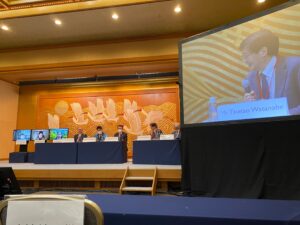 On the first day of the conference, Dr. Tsunao Watanabe (UNU-IAS OUIK) moderated Parallel Session 2 (Society) on the theme “Securing and Training People for the Dynamic Conservation of GIAHS.” Panellists included Mr. Naoyuki Kaneda (Noto Regional Association for GIAHS Promotion and Cooperation), Mr. Yosuke Mugishima (Amidaga Falls Tourism Co. Ltd), Dr. Hiroaki Hayashi (Kunisaki Peninsula Usa GIAHS Promotion Association), Ms. Eulalie D. Dulnuan (Ifugao State University in the Philippines), Mr. Pietro Clarici (Azienda Agraria Clarici), and Mr. Yoon-ho Park (Korea Rural Community Corporation & Korea Rural Heritage Association). The commentator was Dr. Koji Nakamura (Kanazawa University). The speakers introduced the human resource development and conservation activities in each GIAHS region and exchanged opinions. Dr. Evonne Yiu (UNU-IAS OUIK) highlighted the importance of M&E in conserving GIAHS and cooperation among GIAHS domestically and internationally in order to strengthen and scale GIAHS conservation efforts.
At the closing session on the second day of the conference, the Noto Communiqué 2021 was adopted. The communiqué cited the following commitments:
(1) Sharing the results of activities and information with domestic and international agricultural stakeholders and agricultural policymakers
(2) Harmonization with the ecosystem and environment of the certified area
(3) Creation of new economic activities using local resources.
Contribution to global issues such as climate change and biodiversity, and to the UN Sustainable Development Goals.
5) Support for candidate regions in developing countries
(v) Supporting candidate regions in developing countries.
The closing session also included the GIAHS Youth Declaration, composed and presented by high school students representing the GIAHS sites in Ishikawa, Miyazaki, and Niigata prefectures. The declaration was developed by the students through a facilitated workshop and discussions during the GIAHS Youth Summit, a side even held by UNU-IAS OUIK on the same day.
Mr. Masanori Tanimoto (Governor of Ishikawa Prefecture), Mr. Tadayuki Akamatsu (Councillor (Deputy Director-General, Rural Development Bureau) MAFF), Mr. Yoshihide Endo (GIAHS Secretariat, FAO) and Dr. Tsunao Watanabe (Director, UNU-IAS OUIK) expression of gratitude to all participants and stakeholders for their meaningful engagement, and formally closed the conference with a reminder that the conference is many of the milestones that will lead to achieving aspirations we collectively share for the future of GIAHS.
Please also check the posters we presented during the conference here:
GIAHS Biodiversity WG Poster Jp Eng
Introduction of Technologies on Characteristic Analysis
OUIK_能登の里山里海映像制作‗ポスター
Education on GIAHS
2021年12月08日
The UNU-IAS OUIK organised the ‘GIAHS Youth Summit’ on 26 November and an excursion for the Youth Summit participants on 27 November, as a side event of the International Conference on GIAHS held in Nanao City (Ishikawa Prefecture).
• Youth Summit Participating High Schools: Ishikawa Prefectural Iida High School, Ishikawa Prefectural Rokusei High School, Niigata Prefectural Sado General High School, Japan Aviation High School Ishikawa, Miyazaki Prefectural Gokase Secondary School (40 students in total)
•Youth Summit participating ambassador countries: Senegal, Burkina Faso, Peru
•Facilitators: University students from the prefecture and university students interning in Noto
Mikiko Nagai (UNU-IAS OUIK) gave the opening remark, followed by the briefing of the first and second sessions of the GIAHS Youth Summit Series.
– Session 1: “Globally Important Agricultural Heritage Systems (GIAHS) That You Don’t Actually Know Much About” – Sayako Koyama (Researcher UNU-IAS OUIK)
– Session 2: ““To think about and develop the future possibilities of rural communities with the next generation” – Shotaro Iimori (Youth Agricultural Study Group)
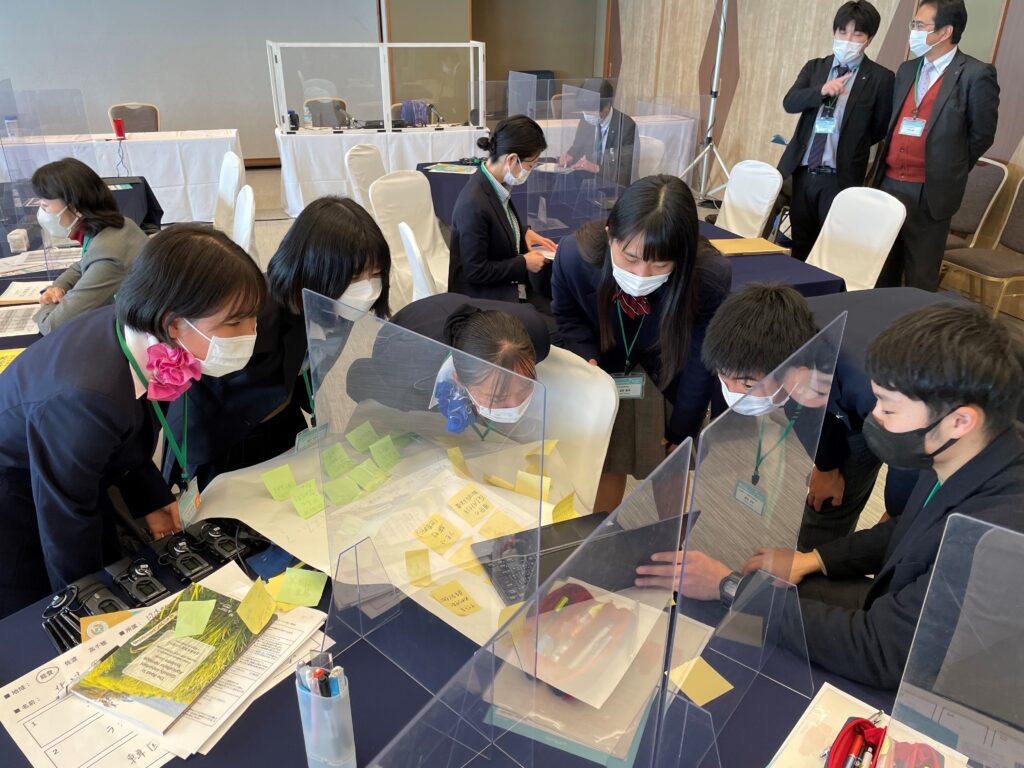
Session 1 “Letʼs Shape the Future of Globally Important Agricultural Heritage Systems That We Want to Pass on” was divided into four themes: (1) Biodiversity in agriculture and environmental conservation at Satoyama-Satoumi, (2) Revitalization of the local economy, (3) Succession and development of the local culture and (4) Succession and dissemination of the knowledge about GIAHS, and group discussions were held. The students introduced the characteristics and activities of each region related to each theme, and discussed the value of these activities and why they should be passed on to the future. At first the high school students were a little nervous to be in a session with new friends from inside and outside of the prefecture, but they gradually got to know each other by introducing about each other.
At the end of the session, based on the opinions raised during the discussion, the students developed an action plan to protect the GIAHS in their own area and to pass on the local culture, which they compiled into the GIAHS Youth Declaration.


During the lunch time, the participants enjoyed the “GIAHS Experience Lunch Box” produced by the Home Economics Club of Ishikawa Prefectural Rokusei High School with a presentation by the members of the club. This GIAHS lunch box was thoughtfully created for the summit participants to experience GIAHS. More than 40 different ingredients produced and harvested locally in the Noto GIAHS were used in the lunch box. Local delicacies such as kabura-zushi and iwanori seaweed from the Noto sea were presented as well. The Senegalese ambassador to Japan was amazed by the fact that all the food was local and made from local ingredients and praised the high school students for their commitment, saying “You are ambassadors of GIAHS”.
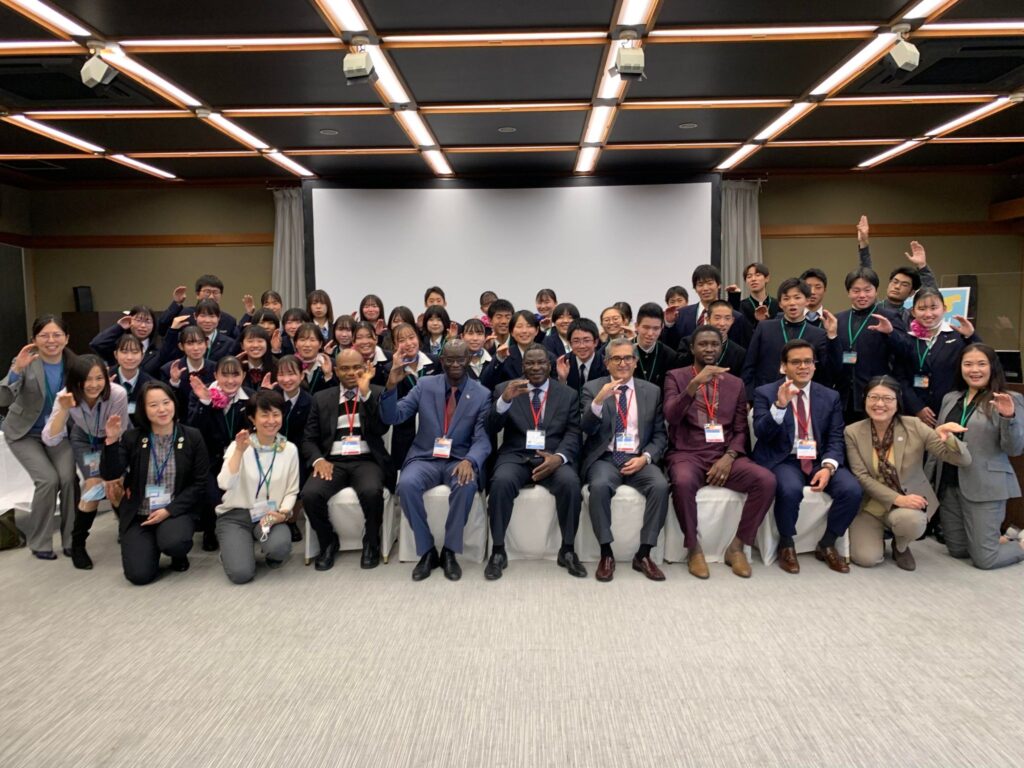
In the afternoon, the ambassadors from countries with an interest in GIAHS joined the students in Session 2, “Letʼs Share the Future Globally Important Agricultural Heritage Systems That We Want to Pass on”, where they presented the results of Session 1 and the ambassadors gave presentations. Representatives from each group of high school students presented what actions they would like to take to ensure the values of GIAHS in their region to be passed on to future generations. They also told us with great enthusiasm how they would like the adults to help them.
 Meanwhile, the participating ambassadors introduced their country’s local assets such as nature, landscape, agriculture, food and traditional culture. After the presentations, perhaps a little shy to ask questions in the audience, the high school students communicated with the ambassadors individually and asked them about the youth activities in their countries and their interest in the SDGs and climate change. In addition, Mr. Masanori Tanimoto (Governor, Ishikawa Prefecture), who came to the conference during this session, gave us an encouraging comment, “I have high expectations for the community activities at GIAHS, especially for the younger generation in the future”.
After Evonne Yu (UNU-IAS OUIK) gave the closing remarks of the summit, the students headed to the main venue to present the GIAHS Youth Declaration at the closing session of the conference.
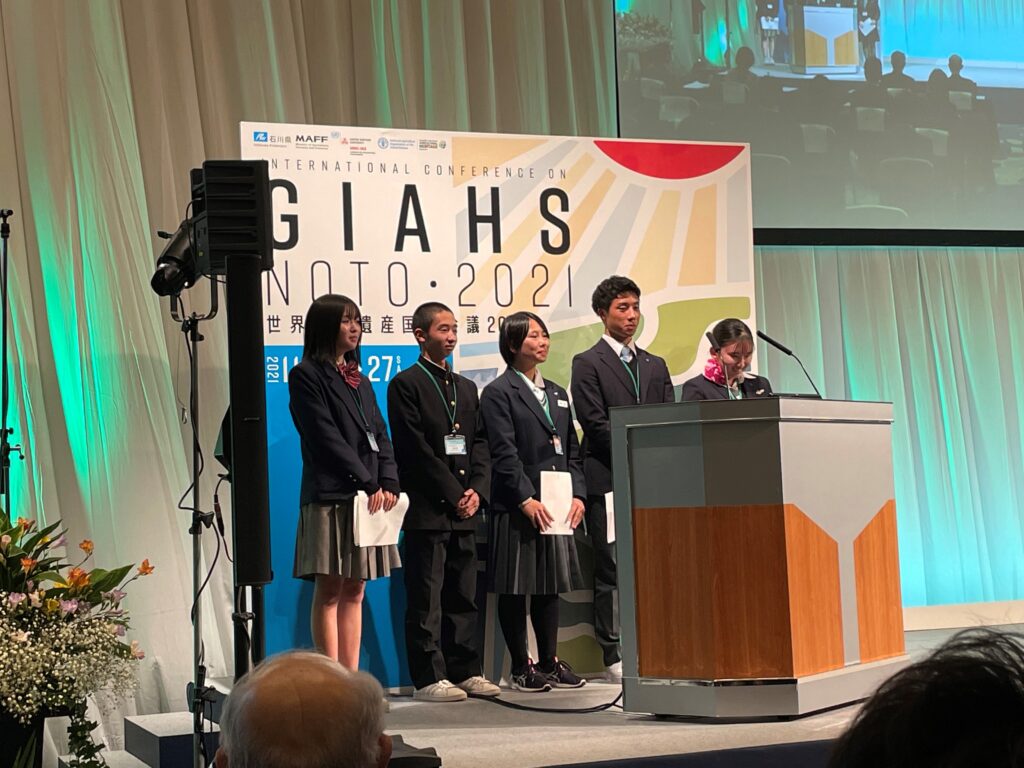
The five high school students representing each school reported on the GIAHS Youth Summit and announced the GIAHS Youth Declaration, which was applauded by the audience.

On the following day, the 27th, an excursion tour for the summit participants was held in cooperation with the Noto DMC. 10 of the students from the Niigata Prefectural Sado General High School and the Miyazaki Prefectural Gokase Secondary School and their teachers joined the tour to expose the students to the key features of Noto’s Satoyama and Satoumi Globally Important Agricultural Heritage System (GIAHS) so they may increase their knowledge about the GIAHS and recognize the value of agricultural heritage systems more broadly. This activity specifically built on one of the commitments the students made at the end of the Youth Summit: to “find opportunities for hands-on experiences and deepen [their] understanding of GIAHS.”
To that end, the tour consisted of site visits and experiences designed to illustrate for students the five key criteria of GIAHS: 1) food and livelihood security; 2) agro-biodiversity; 3) local and traditional knowledge systems; 4) cultures, value systems, and social organizations; and 4) landscapes and seascapes features. The tour kicked off with a visit to the Noto Satoyama and Satoumi Museum for an overview of the history, notable traditions and cultural practices, and key environmental features of Noto.
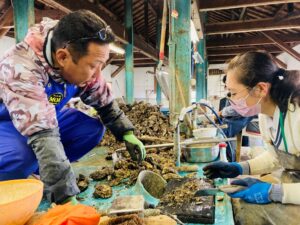
 The students continued on to a local, family-owned oyster farm: Miyoshi Fisheries Oyster Farm, to experience life in the Satoumi—that is, a personal exposure to the industry through conversations with people who have been in the business for decades, hands-on experience in cleaning oysters, and a special lunch full of freshly harvested oysters provided by Hamayaki Noto Fudo.
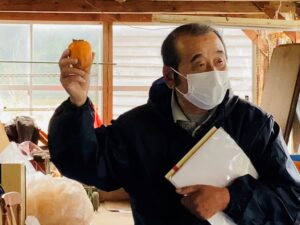 Lunch was followed by a brief stop at Hosokawa Farm in Shika Town to learn about “Noto Shika Korogaki (dried persimmon)” making, which uses the bounty of the satoyama at this time of year. This industry also faces a serious succession problem like many other industries in rural areas. Mr Hosokawa, the owner of the business said “In GIAHS sites, there are many industries and products that have their own stories, and I hope that the young people like you will have many experiences and come back to your hometown in the future to make use of them”.
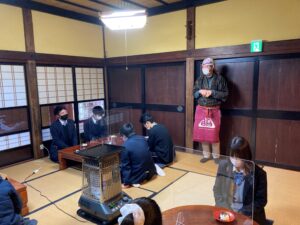

The students then moved to the Satoyama Marugoto Hotel where students enjoyed a relaxed conversation with the owner who had moved from Tokyo to Noto and started a restaurant business that uses local produce and ingredients. The high school students exchanged ideas and opinions, such as “I would like to run a restaurant using local ingredients as a school project”.
The students wrapped up the tour at the Shiroyone Senmaida, overlooking the thousand rice paddies of Shiroyone town in Wajima City that comprise a key landscape feature of the Noto’s Satoyama and Satoumi GIAHS.
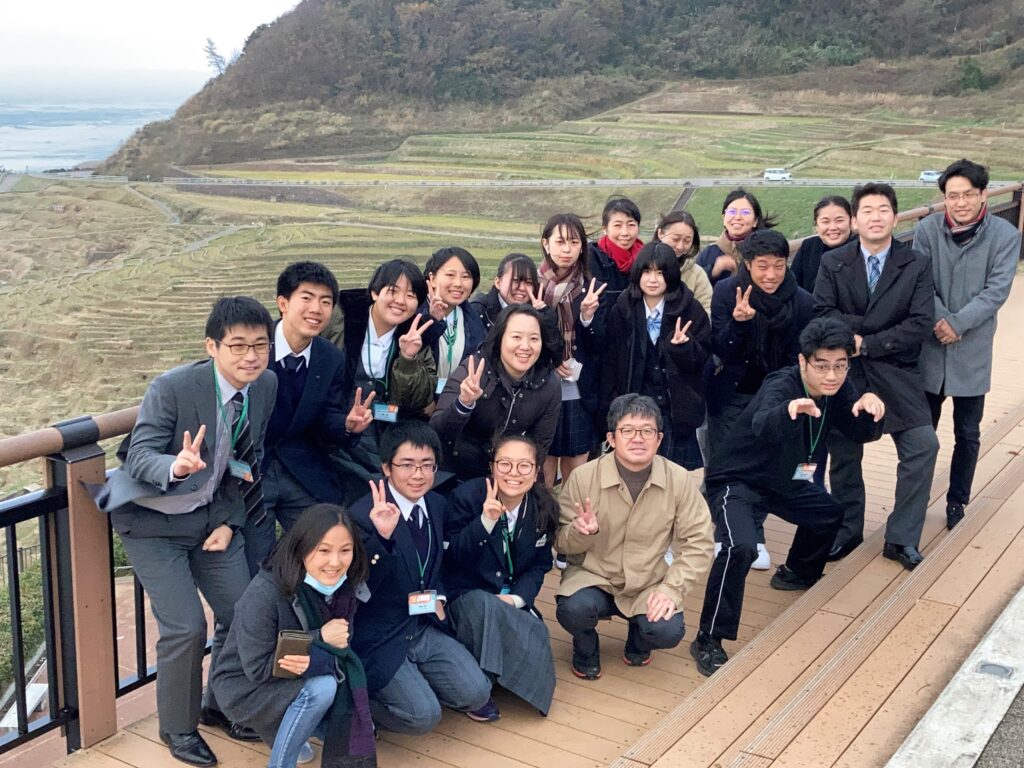
On the way back to their respective final destinations, the participants shared their impressions and discoveries of the past two days. The students said: “I had a precious opportunity to meet local people and deepen my knowledge about GIAHS”, “I found out that the most important thing for the GIAHS region is “people”. I would like to make use of this experience to contribute to the region in the future”, concluded the excursion.
2021年11月22日
The United Nations University Institute for the Advanced Study of Sustainability Operating Unit Ishikawa Kanazawa (UNU-IAS OUIK), in partnership with the Rural Development Administration (RDA) of the Republic of Korea, held a symposium, Conservation and Strengthening the Value of Agricultural Heritage Systems in the New Normal Era, on 5 November 2021. With the transition into the post-COVID-19 ‘new normal’ as the main through-thread, the event aimed to: 1) find ways to sustainably conserve agricultural heritage and strengthen its value in accordance with the changing times; and 2) share best practices and directions for the conservation and management of Globally Important Agricultural Heritage System (GIAHS).
Following the welcome remarks by Mr. Taewoong Hur, Administrator of the RDA, Dr. Tsunao Watanabe, Director of UNU-IAS OUIK, framed the event by reminding the audience of the very premise of GIAHS that was showcased again by the COVID-19 pandemic: humans and nature together constitute a single, unified system worthy of conservation and sustenance. Professor Nobuyuki Yagi from the University of Tokyo illustrated how this messaging is reinforced through the Food and Agriculture Organization’s (FAO) GIAHS application review process, which requires an explicit articulation of the ways in which people and the environment interdepend and thrive through their coexistence. In response to these introductory presentations, Mr. Jaerok Ahn from the Ministry of Agriculture, Food, and Rural Affairs (MAFRA) noted the agency’s ongoing efforts to conserve current agricultural heritage systems and identify more, as a way of strengthening the overall livelihood of agricultural communities and environmental protection measures.
Subsequent presentations and discussion elaborated on how GIAHS in the ‘new normal’ times could be more widely recognized for the multi-faceted value-add it brings to local communities, society, and humanity. Dr. Evonne Yiu from UNU-IAS OUIK and Dr. Daeyong Hwang from RDA emphasized the importance of monitoring and evaluating the conservation outcomes of GIAHS and shared the efforts to identify practical metrics and indicators unfolding under the ‘Introduction of Technologies on Characteristic Analysis and Conservation Management in Agricultural Heritage Systems’ project, a collaborative research between UNU-IAS OUIK and RDA. Dr. Myeongchul Jeong from RDA reiterated the importance of monitoring by presenting on the recently launched participatory monitoring initiative among agricultural heritage systems in Korea. Dr. Seok-young Hong from RDA and Dr. Tsunao Watanabe built on the presentations by pointing out the importance of ensuring that monitoring is made practical, to the extent that it can engage non-traditional stakeholders, such as young people in the community, as promoted by the GIAHS Youth Summit: GIAHS for the Future and to the World.
Grounding the conversation with real-life examples of current practices and future plans from their respective sites were Dr. Hiroyaki Hayashi (Chairman of the Kunisaki Peninsula Usa GIAHS Promotion Association), Naoki Takahashi (Head of Secretariat of the Osaki GIAHS Promotion Association), and Kilsik Hwang (Researcher at Myeongso IMC), who works closely with the communities of the Traditional Gudeuljang Irrigated Rice Terraces in Cheongsando. They stressed the importance of reviving the tourism industry and product sales that have been severely impacted by the pandemic, as well as educating younger generation about agricultural heritage systems, systematically documenting historical knowledge and cultural practices, and creating incentives that attract financial investment. In response, Dr. Osamu Saito from the Institute for Global Environmental Strategies (IGES), Dr. Jong-hee Choi from Pai Chai University, and Dr. Junko Owada from Doshisha University praised the actions on the ground and shared more examples from the field, such as Japanese GIAHS’ proactive pursuit of the Sustainable Development Goals (SDGs).
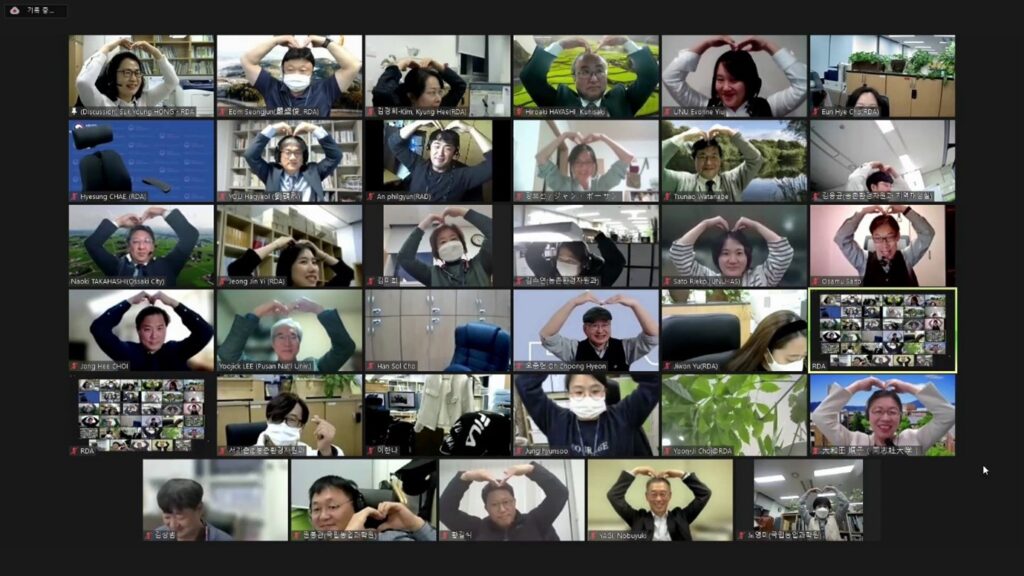
The Conservation and Strengthening the Value of Agricultural Heritage Systems in the New Normal Era symposium was attended by nearly 120 participants through Zoom and YouTube Korean and Japanese channels.
The symposium closed with deep appreciation for and acknowledgement of the meaningful work to protect GIAHS, as a reminder of the challenges that remain, such as the decline in farming populations and collective dedication to protect the environment for long-term sustainability, beyond the pandemic and into the ‘new normal’ era.
The event was livestreamed on RDA’s YouTube channel in Korean and Japanese, and can be accessed here for Japanese and here for Korean. The full program, inclusive of all presentations, can be downloaded from here (also accessible through the aforementioned YouTube links).
2021年11月16日
At present, over 180 companies, organisations and individuals are registered as partners of IMAGINE KANAZAWA 2030, and are studying each other’s activities through workshops and exchange meetings.
The theme of the 19th SDGs Café was “how are partnerships developing in Kanazawa?”. The participants revisited the meaning of partnerships, going beyond their own framework, from the perspective of “collective impact”, which refers to joint initiatives with shared visions.
Examining the change in people’s awareness toward the ideal partnerships realised in 2030
Our guest this time was Hiroki Uda, a pharmacist working for Kanazawa City Hospital and the president of Yaku-yaku Renkei SDGs Kanazawa (pharmacist partnership). He became interested in the SDGs when he attended a lecture by OUIK office manager Ms. Nagai, and he started to explore partnerships aimed at solving the problem of unused medicine.
Yaku-yaku Renkei SDGs KANAZAWA is intended for all people involved in medicine who are working to secure health and welfare, including pharmacists working for pharmacies and hospitals. In the field of medication, a cross-sector partnership such as this is truly groundbreaking.
The preamble of their bylaw declares that “all the activities aim to solve social problems in order to attain SDGs”. At present, the two projects of “saving children from COVID19” and “eliminating unused medicine” are underway. Unused medicine refers to medicine that is left unused in homes. It is estimated that 10 billion ~ 874.4 billion yen worth of medicine is left unused annually. Most of the cost for such unused medicine is borne by social insurance expenses (taxation); therefore, this is a serious problem for the whole country. We are now developing an app in collaboration with Code for Kanazawa to solve this problem.
How has people’s awareness of the SDGs changed? First, I would like to talk about the change in my awareness. I did not know anything about the SDGs one year ago. I realised the SDGs are issues of relevance to me when I attended a lecture by the OUIK office manager Ms. Nagai in the Sightseeing Course of Kanazawa Volunteer College. A period of uncertainty began for me, and I was asking myself what I could do toward the SDGs in my life and work.
Then, I listened to Mr. Hiroishi’s keynote speech titled “Linking SDGs to local innovation” at the Hokuriku SDGs Future City Forum (click here for the report) held online in January 2021. I recognized that I could create business and jobs by applying the SDGs concept to local innovation, and started to think with excitement about trying it. Two months later, I organised an online workshop, inviting my friends. 11 participants agreed with my proposal and became facilitators of the initiative. In this way, I recognised the SDGs as my own issues and changed my awareness, and then I started to take action.
Partnerships can resolve not only pharmaceutical problems but also regional challenges
Next, Takuji Hiroishi, President of Empublic and an advisor to the Kanazawa SDGs, gave a speech on partnerships from a professional point of view:
In talks about partnerships, we often hear the concept of health promotion by local public health nurses (a way of seeking possibilities to improve people’s health through management, advocated by WHO). The idea that medical professionals such as pharmacists and doctors should care for local people (patients as clients) is called “community as a client”. However, this concept has already been recognised as ineffective for health promotion through past experiences. Thus, the new concept “community as a partner” appeared. Although it shares the same purpose of making communities healthy, this concept aims to increase the number of healthy people as partners. When this concept is applied as a solution to regional problems, all the processes such as information collection, assessment and planning are implemented through collaboration between local people and professionals, instead of a one-way approach by professionals.
He also referred to the problem of unused medicine, which Mr. Uda’s partnership initiative focuses on. When the British Royal Pharmacist Association examined the reasons why patients did not take medicine as directed, they found that patients had not been complying with directions in the first place. The patients lied to their doctors that they were taking medicine. The doctors and patients did not have sufficient communication. As a solution to this problem, they adopted the idea of concordance, which means to find appropriate treatment methods through partnerships and discussions on an equal footing. In other words, professionals should respect and listen to patients’ opinions including objections; i.e. professionals should accept patients’ right to not take medicine.
This kind of joint decision making regarding medicine can be applied to approaches in regional revitalisation and the SDGs. Bilateral, continuous dialogue between professionals and local people will produce harmony and mutual understanding, thus leading to effective, viable decisions and a better life for the community.
The will of each individual advances partnerships
In the latter period of the meeting, Mr. Uda, Mr. Hiroishi, OUIK office manager Ms. Nagai and the audience of the meeting held a discussion to deepen their understanding of partnerships.
Mr. Uda introduced his experience, saying “patients became motivated when their right to not take medicine or not undergo treatment for their disease is accepted, i.e. when they were sympathised with”. Mr. Hiroishi said, “medical professionals do not know as much about patients as they think. The same thing can be said for businesses”. He proposed that in order to improve sustainability, business people should start by realising that perhaps they do not know their clients at all. In response, Ms. Nagai talked about her experience when giving a speech about the SDGs at companies, saying “they sympathised with my opinion if I performed thorough research in advance and talked from their point of view”.
The Kanazawa SDGs will create partnerships with various companies and organisations. Lastly, Ms. Nagai asked Mr. Hiroishi for advice regarding an effective way to advance partnerships. He advised her to continue to create places for exchange, such as the SDGs Café, in order to facilitate learning through teaching other people and thereby revisiting our own understandings.
2021年10月21日
50 years have passed since the forestation project began, and many of the trees have grown enough to be cut down. In the meanwhile, the Wooden Culture City project began as a result of city planning in order to promote the use of timber and local wood in the construction of new buildings, while maintaining traditional buildings such as Kanazawa machiya.
Potential of wooden buildings in the Kanazawa downtown area to realise the Wooden Culture City Kanazawa
Tomohiro Miyashita from Kanazawa Institute of Technology, a member of the Wooden Culture City Kanazawa Committee, presented his vision for the future Wooden Culture City Kanazawa.
Although it is a large city, Kanazawa also contains woods on its outskirts. Mountains, villages and farms are located along the rivers flowing into the sea. Kanazawa was not damaged during the war and many beautiful buildings still remain in its central area. How local people and the government should cooperate to preserve this environment and hand it down to future generations is an important issue.
After the war, Japan aimed to construct non-burnable cities, and proceeded with the construction of non-burnable buildings. Constructing new wooden buildings along the main roads in central areas is prohibited, in order to create fireproof building zones.
Among the large cities in Japan, Kanazawa is a rare case where areas with many wooden buildings, such as Owari-cho, still remain along the main roads. More than 70 percent of the buildings are three-storied or lower structures built on small plots, with human-scale landscapes that match the wooden structures. In addition to wooden buildings, modernist architecture built in the Meiji, Taisho and early Showa periods remains in the area. The attraction of this area is produced through the mixture of these different types of structures. More interestingly, this area contains shops of rare goods such as traditional medicine, candles and flags. I am attracted to the fact that traditional buildings are maintained along with cultures. Many cities in Japan are attempting to eliminate wooden buildings from their downtown areas. However, Kanazawa endeavors to maintain wooden buildings in the designated Preservation District for Groups of Traditional Buildings and Komachinami areas. I hope that refined, attractive townscapes will appear in Kanazawa in the future.
The present condition of woods in Kanazawa and how to use the forest environment transfer tax
The tree doctor Hirofumi Ueda from the Forest Revitalization Department of the Agriculture, Forestry and Fisheries Bureau of Kanazawa City spoke about the present condition of forests in Kanazawa and the plan for the forest environment transfer tax.
Forests are indispensable in preserving land and life, since they prevent global warming and disasters. However, due to a shortage of workers, forests’ conditions have not been improved yet. Thus, the Law Concerning Forest Environment Tax and Forest Environment Transfer Tax was established in 2019 in order to secure funding for local governments’ forest management and for municipalities to implement a new “business management system”.
About 60% of the area of Kanazawa City (approx. 28,000ha) is occupied by forest. 75% of the forest is occupied by natural woods of broad-leaf trees and 19% is covered with artificial woods of Japanese cedar and cypress trees that were planted to produce timber. Kanazawa City manages about 2,000ha of woods, which contain many trees that have grown enough to be cut down. However, felling has been postponed by 40 years. Normally, forests have a cycle comprised of planting, growing, felling and using trees; however, this cycle has been disrupted in Kanazawa, since no trees are being planted or felled at present.
The city’s review committee has proposed that the forest environment transfer tax apply not only to artificial woods but also to the natural woods that exist in abundance in the city. They have proposed a different cycle for natural woods; the arrow in the cycle does not return to the starting point but rises gradually in a spiral according to the growth of the woods and the changes in society. Thus, we can hand down various types of forests to future generations.
In order to realise this vision, we should continue to take actions to activate the cycle of protecting, using, enjoying and learning about woods.
Growing forests for constructing a future city: what is needed for the present wooden culture city
Kanazawa has an extraordinary plan regarding the use of the forest environment transfer tax. The plan takes various factors such as people’s spirit and culture into consideration. However, it is really difficult to implement the two projects of forestation and city planning simultaneously. Tetsuya Yasuda of NPO Sound Woods, who has been engaged in many architectural and city planning projects, gave us his thoughts about it.
Based in Hyogo and Osaka, we are working to coordinate the balance of forestation and city planning to maximise the results.
By the way, why do you think timber is attracting attention now? I suppose there are three reasons: compared to fossil resources, wood materials are at hand and obtained more easily in Japan; they need less energy to be processed for use; and they can be recycled in a shorter period. Wood can be reused in cycles of 50 or 60 years, and it absorbs greenhouse gases. Therefore, wood is a resource that can help realise SDGs and support future society.
In artificial forests, wood’s advantages can be retained by using it while maintaining its circulation cycle; however, artificial forests in Japan have two big problems at present. Firstly, although 70 years have passed since the war and the number of trees in artificial forests that need to be cut down are increasing, they are left untouched. Therefore, wood is not used, and new forests cannot be produced. Secondly, although the timber’s self-supply ratio has increased from 20 percent during the worst period in 2002 to 40 percent now, the forest owners cannot earn enough income due to the low price of cedar and cypress timbers. As a result, they cannot invest in new forests or maintain the forests after cutting down trees. Securing forest owners’ income is an important task that is required in order for subsequent generations to inherit the forestry industry.
Furthermore, unfortunately no one buys thick timber, since there is no practice of using it in the current manufacturing and distribution processes. Thick timber can be used for the construction of buildings larger than ordinary houses and for public architecture constructed as a result of city planning.
2022年01月04日
UNU-IAS Operating Unit Ishikawa Kanazawa (OUIK), in partnership with the Rural Development Administration, Republic of Korea (RDA) held two online consultation workshops on monitoring of Globally Important Agricultural Heritage Systems (GIAHS) with practitioners and representatives from Korea GIAHS sites on 6 October 2021 @ 13:00-16:00 and with Japan GIAHS sites on 13 October 2021 @ 13:00-16:00.
UNU-IAS OUIK and the RDA has been collaborating since 2018 on a research project, “Introduction of Technologies on Characteristic Analysis and Conservation Management in Agricultural Heritage Systems.” The aim of the project is to develop indicators and guidelines for monitoring the sustainability of GIAHS based on the experiences in Korea and Japan.
To that end, UNU-IAS OUIK and RDA held consultation workshops with GIAHS stakeholders in both countries to receive their views on the monitoring criteria and indicators developed by the research project, mainly with the objective to 1) assess their feasibility, 2) discuss challenges and potential solutions to data collection and meaningful utilization, and 3) identify linkages between GIAHS and SDGs as a broader framework for sustainability.
The following key learnings emerged from the two workshops.
- Monitoring of GIAHS should be guided by key, basic principles. Chiefly among them are: 1) clearly defining the value and purpose of monitoring to ensure that the data collection is meaningful; 2) striking a balance between broader objectives and GIAHS-specific goals to track important changes without burdening the stakeholders; 3) setting realistic expectations around monitoring and understanding that it cannot detect all elements of GIAHS given the system’s complexity and gaps between cycles; 4) adequately staffing for and funding monitoring activities, inclusive of third-party assessments and capacity building of local residents for participatory monitoring; and 5) identifying strategic ways for sharing monitoring results, to properly leverage their potential to pave pathways to new ideas, determine strategic direction, and guide action plans.
- Monitoring indicators need to be applicable, feasible, and relevant. There should be a set of standard indicators, while reserving a mechanism for contextualization, to accommodate to the diversity of needs, environmental features, and cultural practices across GIAHS sites, as well as data collection challenges due to sensitivities and hard-to-access physical landscapes. Unquantifiable data can be complemented with surveys to understand residents’ knowledge, attitude, and perception of GIAHS, as well as ongoing activities of local cooperatives and interest groups. Technical guidance of the GIAHS monitoring would help empower GIAHS sites with increased capacities, including monitoring process design and connecting the Sustainable Development Goals (SDGs) with GIAHS conservation. Specifically, SDGs could be used as a platform to raise public awareness of GIAHS and to strengthen the messaging around GIAHS’ potential in contributing to the sustainability of society, environment, culture, and way of life.
Building on this rich conversation, UNU-IAS OUIK and the RDA will jointly host the Conservation and Strengthening the Value of Agricultural Heritage in the New Normal Era Symposium on 5 November 2021 at 14:00-17:00 JST. Specifically, the symposium will aim to 1) discuss ways to sustainably conserve agricultural heritage and strengthen its value during times of change under the COVID-19 pandemic; and 2) share best practices to date and potential directions for the conservation and management of GIAHS. For the further information, please click here.
2021年10月21日
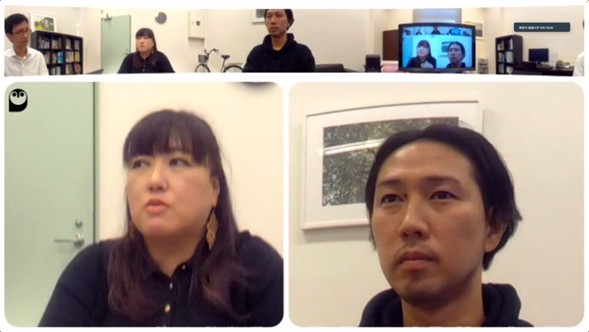
On October 16 (Sat), 2021, the first of three seminars for the GIAHS Youth Summit Series was held online. The seminar was hosted by United Nations University’s Institute for the Advanced Study of Sustainability, Ishikawa Kanazawa Operating Unit (UNU-IAS OUIK) and supported by Sado City and the Office for Community Design of the Sado Island Center for Ecological Sustainability, Niigata University. The participants included 40 youths (mainly high school students) who are living in Takachiho in Miyazaki, and the Noto area of Ishikawa prefecture and Sado, Niigata prefecture (which are both celebrating their 10th anniversary of GIAHS designation this year), and 15 people from schools and local government offices.
First, OUIK office manager Ms. Nagai explained the purpose of the Youth Summit. She said that she hopes to work with young people not simply to search for answers, but to create the future GIAHS through various initiatives with the theme of “what are the values of GIAHS?”.
Next, Evonne Yiu from UNU-IAS OUIK gave a lecture titled “Let’s learn about GIAHS”. She gave an overview of GIAHS and introduced its purpose and the regions that have been designated so far. According to Ms. Yiu, GIAHS are attracting attention, since they might provide solutions to global issues such as the SDGs and climate change. Perhaps, the participants were able to recognise previously unknown value and advantages of the regions in which they live.
Subsequently, students from Noto High School in Ishikawa gave a presentation titled “Misa-Noto Project – Peninsular Revolution P.P.”. The project developed through their exchanges with Misaki High School in Ehime, which began since both high Schools are located on peninsulas (Noto Peninsula and Sadamisaki Peninsula). They developed and sold products using agricultural crops from each other’s region to revitalise both regions. In Misaki High School, they made smoothies using blueberries from Noto and plums from Sadamisaki and sold them at local roadside stations. In Noto High School, marmalade and bread using oranges from Ikata-cho of Ehime were made and sold at their school festival. They expressed their hopes for revitalising their regions through joint development and sales of more products.
After that, students of Gokase Secondary School in Miyazaki gave a presentation titled “Miyazaki Prefectural Gokase Secondary School and the Takachihogo-Shiibayama GIAHS site”. They introduced their school as being the first secondary school in Japan, and talked about their class for comprehensive research, called “Searching for Forestopia”. First-year through third-year students (junior high school students) are learning about the Takachiho GIAHS site from various perspectives and fourth-year through sixth-year students are studying their region according to specified themes. They said their region has many unique characteristics which can be utilised to its advantage.
In the latter period of the seminar, a youth-only exchange meeting was held. They were divided into small groups, using the Zoom breakout room function. They exchanged opinions on the topics of “what are you doing in relation to GIAHS, or what activities are you involved in with other people?” and “what do you want to add to GIAHS?”. They looked a little nervous, meeting high school students or university students from other regions for the first time. However, there were some unique opinions: “I also make marmalade. I think it’s wonderful to have exchanges between peninsulas. I hope that our school can do something in collaboration with other regions”, “how about making a character for the GIAHS?” and “why don’t we make a movie about GIAHS?”.
The interesting point of this project is that it does not end today but continues on to the next seminars in series. The second seminar is to be held at the Sado GIAHS site in a hybrid style. In the third seminar (Nov), some people from Sado and Takachiho are scheduled to visit Noto and participate in the Youth Summit in person. The first Youth Summit could be an occasion to create new connections between young people and conceive an idea to start something interesting.